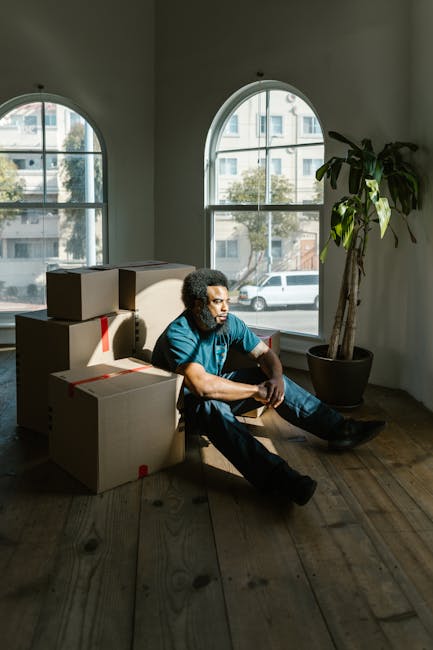
Ravensbourne Park house removals local route planning tips
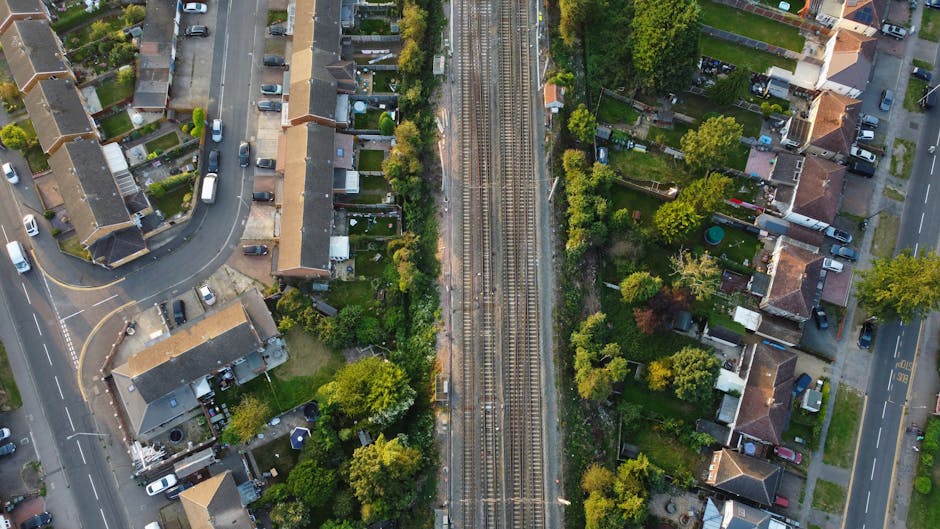
Planning a house move around Ravensbourne Park sounds simple until you're actually staring at a narrow street, a busy school run, a van trying to reverse cleanly, and a stack of boxes that suddenly feels heavier than it should. That's exactly where Ravensbourne Park house removals local route planning tips come in. Good route planning does more than save time. It protects your belongings, reduces stress, and helps the whole day feel calmer and more organised. In a local move, the road you choose can matter just as much as the packing tape you use.
Whether you're moving a family home, downsizing, or shifting across the local area, a little route thinking up front can prevent the sort of awkward delays that make everyone tired by 11 a.m. Below, you'll find practical, local-first advice that covers timing, access, vehicle choice, parking, and the small decisions that make a move run smoothly. If you need help with the wider move itself, services like house removals, home moves, and removals can fit neatly around a well-planned route.
Why Ravensbourne Park house removals local route planning tips Matters
Local moves can look easier on paper because the distance is shorter. In practice, that's where people get caught out. Shorter journeys often mean more stop-start driving, tighter streets, trickier parking, and more pressure to get access right the first time. A poor route can turn a straightforward move into a messy one very quickly.
Ravensbourne Park has the kind of local conditions that reward preparation: residential roads, parked cars, occasional congestion, and the usual London reality of timing your arrival so you don't get blocked by a school run or a rush-hour queue. If you're moving a full house, every extra stop or detour can throw off unloading, crew scheduling, and your own energy levels. And let's face it, nobody wants to spend the first hour of moving day circling for a space while the kettle and toaster are already packed.
Route planning also matters because it helps you decide what kind of move you actually need. A compact move may suit a man and van arrangement, while a larger household might need a moving truck or a more structured team from house removalists. The route should match the vehicle, not the other way round.
Expert summary: the best local move is not always the shortest one on a map. It's the route that gives your vehicle enough access, your crew enough space, and your schedule enough breathing room to absorb the usual surprises.
How Ravensbourne Park house removals local route planning tips Works
Think of route planning as three layers working together: access, timing, and vehicle fit. If one of those is off, the whole move feels harder than it needs to.
1. Access first, route second
Before choosing roads, work out how the removal vehicle will actually reach the property. Can it stop nearby without blocking traffic? Is the street narrow? Will the van need to reverse in? Is there a front garden wall, steps, or a tight turning point? Those practical details matter more than a sat-nav estimate.
2. Time the move around real local conditions
Moving early can be smart, but only if the roads are clear and you have access at both ends. A mid-morning start may avoid the worst of the school run, while later starts can work better for traffic on larger roads. In some cases, a slightly longer route is the better route if it avoids bottlenecks, awkward junctions, or a road that always seems to be half-closed for something. Typical, really.
3. Match the vehicle to the route
If a large truck is going to struggle with a narrow turning, use a different setup. If you are moving from or into a property with restricted access, a smaller removal van can be more practical. For bigger, more complex moves, a larger setup from removal truck hire may still be the right choice, but it needs a route that suits the vehicle dimensions and loading plan.
4. Plan for loading and unloading, not just driving
A move is not just the journey between two postcodes. It includes the time needed to carry items in and out, protect floors, and navigate hallways, stairs, and door frames. A well-planned route should reduce the total carrying distance from vehicle to doorway, because every extra metre adds fatigue and risk.
Key Benefits and Practical Advantages
Good route planning gives you more than punctuality. It changes the feel of the whole day.
- Less stress: fewer surprises, fewer last-minute decisions, fewer "we're stuck behind a bin lorry" moments.
- Lower damage risk: fewer awkward turns and fewer rushed lifts mean your furniture is less likely to be bumped or dropped.
- Better use of time: the crew can focus on loading efficiently instead of waiting for a parking space or trying a second approach to the street.
- Cleaner communication: everyone knows where the vehicle will stop, how long access should take, and what to expect.
- More accurate quotes: route complexity often affects labour time and vehicle choice, which feeds into pricing.
- Less disruption for neighbours: a sensible plan reduces blocking, reversing, and repeated vehicle repositioning.
There's also a confidence benefit that people often underestimate. When the route is mapped out properly, the rest of the move feels manageable. You notice it in the small things: fewer pauses, clearer decisions, less fiddling around with boxes that should have been placed three rooms ago.
Who This Is For and When It Makes Sense
This advice is useful for almost anyone moving within or around Ravensbourne Park, but it is especially relevant in a few situations.
- Families moving a full household: more furniture, more boxes, and usually more coordination.
- People in terraced or tightly packed streets: where parking and turning space matter a lot.
- Flat movers dealing with stairs or limited lift access: route planning should include the approach to the building, not just the road outside.
- Students or sharers: often moving on tighter budgets and shorter timeframes, where efficiency matters.
- Older residents downsizing: where a calm, steady route plan reduces physical strain and stress.
- Businesses relocating locally: office moves need extra timing discipline, especially if equipment has to be unloaded quickly. In that case, office relocation services can be a better fit than trying to improvise on the day.
It also makes sense when the move is only a few streets away. That's when people sometimes skip planning because it feels "too small" to need it. But short moves can be the trickiest ones. The distance is short, yes. The access problems are still very real.
Step-by-Step Guidance
Here's a practical way to plan a local house removal route without overcomplicating it.
- Confirm both addresses early. Write down full postcodes, floor numbers, parking notes, entry codes, and any building restrictions. Tiny details matter.
- Inspect the access at both ends. Look at the street width, kerb space, nearby bends, and where a van can safely stop. If possible, do this at the same time of day as your move.
- Choose the best loading side. Sometimes one side of the road or one entrance is much easier. Use the side that reduces carrying distance and avoids crossing traffic.
- Check for likely pinch points. Think about roadworks, schools, market traffic, and delivery hotspots. Not every delay shows up on a map.
- Set a realistic departure time. Build in margin. Even a local move needs a little breathing room, especially if you're collecting keys or waiting on building access.
- Plan a backup route. If your first choice is blocked, know the second-best option in advance. No drama, just a sensible fallback.
- Match packing to the route. Heavy boxes should be smaller. Long or awkward items should be separated. This is where packing and boxes really earn their keep.
- Decide what stays with you. Essentials like medication, chargers, documents, and a kettle can travel in the car or a separate bag. Trust me, future-you will be grateful.
If you want a more hands-on move, a flexible option like man with van can suit smaller local routes well, especially where access is tight and a full-sized truck would be overkill.
Expert Tips for Better Results
These are the details that often make the difference between a decent move and a genuinely smooth one.
Time your move around the property, not the calendar
A Tuesday morning can sound ideal until you realise the road outside your new place gets busy with school traffic at 8:30. It's smarter to plan around the actual street than rely on generic advice. If you can, do a quick drive-by first. Even ten minutes on site can reveal things a map won't.
Use a smaller vehicle if the final approach is awkward
For some Ravensbourne Park streets, a smaller removal vehicle may save more time than it costs. It can mean easier parking, less stress on reversals, and quicker unloading. A larger vehicle is not always the professional choice. Sometimes it is just the inconvenient one with better marketing.
Protect the road-to-door route
If you expect to carry items over paving, gravel, wet leaves, or uneven steps, prepare the path. Simple measures like keeping the route clear, opening gates fully, and avoiding loose clutter reduce the chance of slips and knocks.
Tell the crew about access constraints in advance
Let the moving team know about low trees, narrow corners, permit concerns, or shared driveways. It sounds obvious, but this one gets missed constantly. The more the crew knows, the better they can prepare the vehicle and loading method.
Combine route planning with removal services
If your move includes dismantling furniture, packing support, or temporary storage, the route plan should reflect that too. A stop-off for storage, for example, changes timing and vehicle load. Services such as packing and unpacking services and storage can help make the route and the move itself less chaotic.
In our experience, the moves that feel easiest are rarely the ones with the most expensive kit. They are the ones with the best preparation. Simple, but true.
Common Mistakes to Avoid
Most moving problems are predictable if you know where to look. Here are the usual culprits.
- Assuming the shortest route is the best route. It may be shorter, but if it includes awkward turns or heavy congestion, it can easily slow everything down.
- Ignoring parking reality. A road may look fine on paper and still be impossible to stop on safely.
- Forgetting height or width limits. Some access routes are fine for cars but awkward for larger moving vehicles.
- Leaving route planning until moving day. By then, it's too late to do anything useful without creating delays.
- Packing heavy boxes too large. That makes lifting harder and increases the chance of items shifting during transport.
- Not telling the moving team about restrictions. If there's a gate code, narrow alley, or shared courtyard, say so early.
- Overloading one vehicle. If the route or access is tricky, splitting the load may be safer and more efficient.
A small mistake in route planning can create a big chain reaction. One blocked stop, then a longer carry, then a slower unload, and suddenly everyone is behind schedule. It happens fast.
Tools, Resources and Recommendations
You do not need a pile of fancy gear to plan a better move. A few simple tools and habits go a long way.
- Street view checks: useful for seeing road width, corners, and likely parking positions.
- Printed notes: surprisingly handy if your phone battery is busy with messages, photos, and that one relative who keeps asking where the sofa is going.
- Floor plans or rough sketches: help the moving team understand how furniture will fit once it arrives.
- Room labels: make unloading quicker because boxes go straight to the right place.
- Packing materials: sturdy boxes, tape, covers, and wrap all reduce movement in transit.
For larger or more structured moves, you may also want to compare removal companies and check whether you need a full removal services package rather than a lighter option. If your move is compact and the route is straightforward, a smaller setup may be enough.
And if you are moving furniture separately, the dedicated options at furniture removals or furniture pick up can be useful for awkward single items that do not justify a full household move.
Law, Compliance, Standards, or Best Practice
Local house removals should always be carried out with safe driving, sensible loading, and respect for neighbours, pedestrians, and property. You do not need legal jargon to follow good practice, but a few principles are worth keeping in mind.
- Safe stopping and loading: the vehicle should be positioned so loading can happen without unnecessary risk to people or traffic.
- Property care: door frames, floors, banisters, and corners should be protected where needed.
- Load security: furniture and boxes should be secured to reduce shifting during travel.
- Clear communication: arrival times, access limitations, and any special handling needs should be agreed in advance.
- Insurance awareness: it is sensible to understand what is covered before the move starts. For that reason, checking insurance and safety information is always a wise step.
If you are comparing moving firms, it is also worth reading the company pages that explain service standards, payment handling, and policies in plain English. Good movers are usually happy to talk through this calmly. That's a good sign in itself.
If you have a specific concern about terms, cancellations, or how a move is handled, a careful read of terms and conditions can save awkward surprises later. Not glamorous, I know. Still worth it.
Options, Methods, or Comparison Table
Different home moves call for different approaches. Here's a simple comparison to help you decide what fits your route and your household.
| Move type | Best for | Route planning focus | Typical advantage |
|---|---|---|---|
| Man and van | Smaller households, single-room moves, short local trips | Easy parking, quick access, flexible timing | Good for tight streets and lighter loads |
| Removal van | Medium-sized moves with moderate furniture | Careful stopping points and efficient loading | Balance of capacity and manoeuvrability |
| Moving truck | Larger family homes or bulky furniture | Turning space, wider access, fewer repositioning moves | Handles bigger volumes in fewer trips |
| Full removals team | Complex house moves, stairs, heavy items, extra care | Coordinated access, timing, and loading sequence | Less lifting pressure on you |
There is no single "best" option. The right choice depends on the route, the load, and how much help you want on the day. A move with steep steps and a narrow entrance will benefit from a different approach than one with a driveway and room to swing a vehicle in neatly.
Case Study or Real-World Example
Here's a realistic local scenario. A couple moving from a two-bedroom house near Ravensbourne Park had originally planned to use one large vehicle and leave early, aiming to "beat traffic." Sensible enough, on the surface. But after checking the access, they realised the street outside the new place had limited stopping space and a tight turn that would have made parking awkward. If the truck had arrived first, it would have been a slow, frustrating unload.
Instead, they adjusted the plan. They used a slightly smaller vehicle, moved the bulk of the furniture first, and booked extra help for the heavier items. They also packed the kitchen separately so the essentials were easy to find. The route was changed to avoid a road with frequent local congestion, and the driver arrived when the street was calmer. Nothing dramatic. Just better judgement.
The result was a smoother day, fewer manoeuvres, and less lifting over long distances. No one was racing the clock, which made the move feel much more manageable. To be fair, that calm feeling is half the battle.
Practical Checklist
Use this before moving day. A quick run-through here can save a lot later.
- Confirm both addresses and full postcodes
- Check access, parking, and stopping space at both ends
- Decide whether a smaller vehicle or larger truck is more suitable
- Plan the route and a backup route
- Check likely congestion times for the day
- Tell the movers about stairs, gates, codes, or narrow points
- Separate essentials and valuables
- Pack heavy items in smaller boxes
- Protect furniture and fragile items properly
- Keep phones charged and important contact numbers handy
- Allow time for delays, even on a local move
- Review insurance, safety, and terms before the day arrives
One small note: if you are moving a lot of boxes, label the top and at least one side. It seems minor. It really isn't. The right label at the right moment can save ten minutes of squinting in a hallway.
Conclusion
Ravensbourne Park house removals local route planning tips are really about one thing: making the move kinder on you, your home, and everyone helping on the day. A smart route reduces pressure, lowers the chance of damage, and helps the entire process feel organised rather than rushed. Whether you are moving a full family house, a flat, or just a handful of larger items, the same principle applies: choose the route that fits the property, the vehicle, and the timing, not just the map.
When route planning is done properly, you notice the difference almost immediately. Fewer pauses. Fewer awkward lifts. Less stress in the air. And usually a much better start to the new home, which is what this is all about really.
If you are preparing a move and want support with the practical side, services such as packing and unpacking services, flat removals, or same day removals can be helpful depending on your timeline and access needs.
Get a free quote today and see how much you can save.
Frequently Asked Questions
What are Ravensbourne Park house removals local route planning tips used for?
They help you plan the safest, quickest, and most practical route for a local house move so the vehicle can access both properties without unnecessary delays.
Do I really need route planning for a move that is only a few streets away?
Yes. Short moves often have the same access and parking problems as longer ones, and sometimes more, because people assume they will be easy.
Should I choose a smaller vehicle for a local move?
Sometimes, yes. A smaller vehicle can be easier to park and manoeuvre on narrow residential roads, especially if access is tight.
What time of day is best for a Ravensbourne Park house move?
It depends on the street and local traffic patterns, but many people prefer a time that avoids school-run congestion and peak commuter traffic.
How far in advance should I plan the route?
Ideally a few days before moving day, or earlier if the access is unusual, the property is busy, or you need to coordinate with other services.
What should I check at the new property before moving in?
Check parking, stopping space, steps, entrances, turning room, and any access codes or building rules that may affect unloading.
Can route planning reduce moving costs?
It can help. Better access and clearer timing may reduce wasted time, repeated manoeuvres, and the need for extra labour.
What if my street is too narrow for a large van?
Then it may be better to use a smaller van, split the load, or arrange a plan that allows the vehicle to stop nearby and carry items safely.
Is it worth using packing services for a local move?
It can be, especially if you want the day to run faster or if you have fragile items that need careful loading and unloading.
What happens if there is roadwork or a blockage on the planned route?
That is why a backup route matters. A good moving plan should always include an alternative in case the first option becomes impractical.
Do removal companies help with route planning?
Good ones usually do. They will often discuss access, vehicle size, timing, and any tricky parts of the move before the day arrives.
Where can I get help if I need a full local house move service?
You can look at the wider options for house removals, removal services, or a more tailored man with a van setup depending on your household and route.