Catford Bridge station removals narrow access solutions
Posted on 02/07/2026
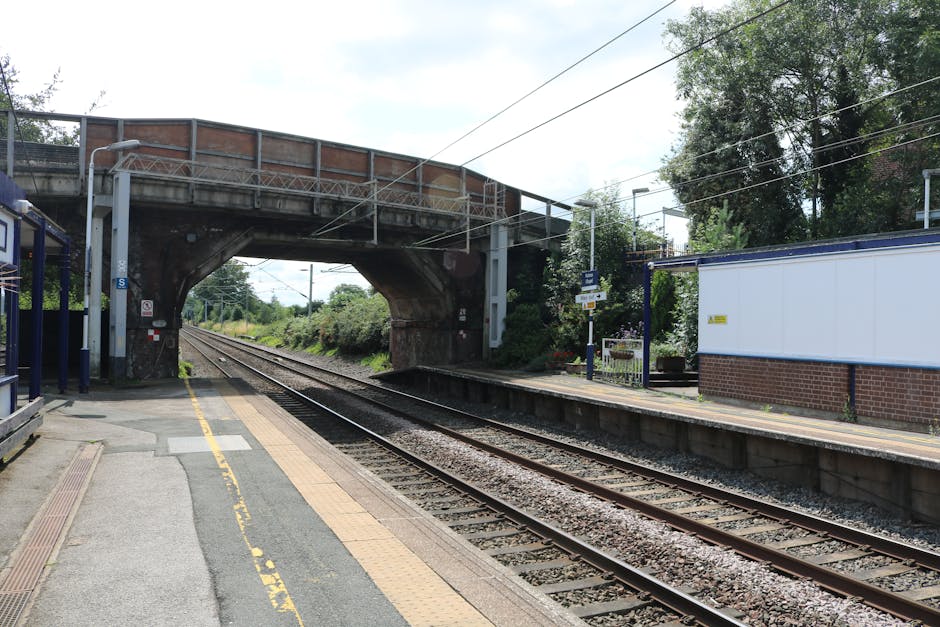
Catford Bridge station removals narrow access solutions: a practical guide for tight moves in SE6
If you are planning a move near Catford Bridge station, you already know the awkward bits can start before a single box is lifted. Tight stairwells, narrow front paths, parked cars, short loading windows, and a bit of morning rail traffic can turn a simple move into a careful puzzle. That is exactly why Catford Bridge station removals narrow access solutions matter: they help you move safely, efficiently, and without the kind of last-minute chaos nobody needs on moving day.
In this guide, we will break down what narrow access moving actually involves, why it causes problems around the station area, and how to handle it properly. We will also cover the tools, planning steps, common mistakes, and practical options that make life easier when access is tight. If you are moving a flat, a family home, student accommodation, or an office nearby, this will give you a clear way forward. And yes, it is possible to do this without tearing your hair out.
Why Catford Bridge station removals narrow access solutions Matters
Moving close to Catford Bridge station is not the same as moving on a wide suburban road with a clean driveway and room to swing a van. Around station-adjacent streets, you may deal with narrower carriageways, limited stopping space, rail commuter traffic, and shared access routes that are just a bit too tight for comfort. That is the core reason this topic deserves proper attention rather than a quick "we'll see on the day" approach.
In practice, narrow access affects almost every part of the move. It changes how far the team can park from the entrance. It affects what size vehicle is realistic. It changes how furniture is wrapped, carried, and staged. It even affects the time of day you choose. A sofa that would be fine in a normal move can become awkward when you need to angle it through a hallway, turn it on a landing, then carry it down a narrow set of steps without knocking into a wall. Been there, seen that, fixed it after the fact. Better to plan it properly first.
For local residents and landlords, this matters for another reason too: poor access planning can cause avoidable delays, neighbour complaints, parking problems, and a move that feels twice as stressful as it should. If you are comparing removal providers, it is worth looking at general removal services in Catford and seeing whether they talk clearly about access, vehicle choice, and pre-move planning. The quality of that conversation usually tells you a lot.
There is also a trust element here. Narrow access moves require judgement. Not every job is suited to a large van, and not every staircase should be treated like it is. The right solution is usually the one that protects your belongings, respects the property, and keeps the work moving steadily rather than forcing a rushed, risky lift.
How Catford Bridge station removals narrow access solutions Works
At its simplest, a narrow access solution is a moving plan designed around restricted space rather than against it. That sounds obvious, but the difference is huge. Instead of assuming the largest vehicle and fastest route will do, the mover evaluates access from the street to the front door, then from the front door to the room where items are stored. If any part of that journey is tight, the plan changes.
In a typical Catford Bridge station move, the process may involve a smaller vehicle, more careful parking, additional carrying distance, more protective wrapping, and a clearer sequence for loading and unloading. Sometimes it also means splitting the job into stages. For example, larger furniture may be moved first while smaller boxes are staged separately. In some cases, a man with van service in Catford is enough for a compact move, especially where road access is limited and a full-size removal lorry would be overkill.
Good narrow access planning is less about brute force and more about choreography. Which item comes out first? Where will it be placed while the next item is moved? Can two people carry it safely, or do you need a different lift? Is there enough room to turn without scraping the banister? These are the unglamorous questions that save the day. The mover who asks them early is usually the mover who avoids problems later.
It also helps to think about the type of property involved. A ground-floor flat with a narrow shared entrance is a very different job from a maisonette above a shop or a family home with a tight terraced hallway. If you are moving out of a smaller property, flat removals in Catford can be a sensible fit because the whole service is shaped around access constraints that often come with apartment living.
In real terms, the work may include:
- surveying access before the move day
- measuring key items and doorways
- choosing the most suitable van size
- protecting walls, corners, floors, and bannisters
- planning a load order that matches the layout
- adjusting arrival time to avoid peak congestion near the station
That may sound like a lot, but it is really just sensible moving. Nothing fancy. Just proper preparation.
Key Benefits and Practical Advantages
The biggest benefit of a narrow access solution is simple: fewer surprises. When access has been thought through properly, the move tends to feel calmer, faster, and safer. You are less likely to get stuck at the door with a wardrobe that will not angle round the frame. You are less likely to discover too late that the van cannot park where you hoped. And you are much less likely to damage the property or the furniture.
Another major advantage is efficiency. People often assume a bigger van always means a quicker move. Not necessarily. Around Catford Bridge station, a smaller or more agile vehicle can actually save time because it can stop closer to the entrance, manoeuvre more easily, and reduce the carry distance. That can make a surprisingly large difference by the end of the day.
For cost control, narrow access planning is helpful too. It reduces the chance of extending the job because of access problems, missed parking windows, or items that need to be rewrapped after an awkward knock. If you are comparing prices, it is worth checking how the provider structures costs. A clear conversation about access is often more valuable than a quick number. If you want to understand how this usually works, pricing and quotes should be part of your decision-making before you book.
There is also a safety angle. Tight access is where slips, strains, and contact damage tend to happen. Good planning reduces manual handling risk. That matters for the movers, your belongings, and frankly your mood on the day. Let's face it, no one wants the memory of moving day to be a dent in the fridge and a headache.
Practical takeaway: the right narrow access solution is usually not the biggest van or the fastest crew. It is the plan that matches the property, the street, and the items you are moving.
Who This Is For and When It Makes Sense
This approach is not only for difficult moves. It makes sense whenever access is even slightly constrained. That includes small flats, terraced houses, upper-floor homes, shared entrances, converted buildings, and properties close to the station where parking and loading can be awkward. If you have ever stood in a hallway and thought, "How on earth is that sofa getting out?", this section is for you.
It is especially useful for:
- tenants moving in or out of compact flats
- homeowners with narrow driveways or shared front access
- students moving between term-time rooms and local accommodation
- small offices relocating near busy roads or station approaches
- people moving at short notice who need a practical, fast solution
For students in particular, the pressure is often timing rather than volume. You may only have a few bags, a desk, a bed frame, and some boxes, but if access is tight, that still needs careful handling. That is where student removals in Catford can be more useful than a generic moving option, because the service is built around smaller loads and real-life time constraints.
It can also make sense for people who are in the middle of a chain and cannot afford delays. If the completion window is narrow, or the keys are due at a specific time, then access planning becomes part of the whole day's risk management. Not dramatic, just sensible. The sort of sensible that saves you from pacing around the pavement checking your phone every five minutes.
Step-by-Step Guidance
If you want a move near Catford Bridge station to go smoothly, the process should be structured, not improvised. Here is the practical way to handle it.
- Assess the access route properly. Look at the road, the pavement, the entry point, the stairs, any shared hallways, and the interior turns. If there is a pinch point, note it.
- Measure the large items. Sofas, wardrobes, mattresses, desks, appliances, and anything with awkward dimensions need checking. A tape measure is boring but useful, which is not a sentence anyone loves, yet here we are.
- Choose the right vehicle. A smaller van may be the smarter choice if parking is limited. Bigger is not always better when access is tight.
- Plan the loading order. Start with the items you least want to twist around later. Keep fragile items protected and grouped logically.
- Prepare the property. Move loose mats, secure doors if needed, protect flooring, and clear the route. Little things, big difference.
- Schedule for the quieter window. If possible, avoid the busiest arrival times around the station area. Fewer people, fewer obstacles.
- Keep communication simple. Tell the crew about any awkward gates, buzzers, split-level entries, or parking restrictions before moving day, not during it.
Some people like to do everything themselves right up until the day. Fine, but narrow access is one of those times when early planning is worth its weight in cardboard tape. If storage is part of the picture because you cannot move everything in one trip, storage in Catford can give you breathing room without forcing a rushed decision.
Expert Tips for Better Results
The first tip is to be honest about access. Slightly underestimating the difficulty is a common habit, and it rarely ends well. If a delivery driver has ever struggled to find your front door, the moving team probably will too. Be upfront, even if you think it sounds inconvenient. The whole point is to avoid inconvenience later.
Second, protect the route, not just the item. People often wrap the furniture well but forget the hallway corner or the bottom of the stair rail. In narrow spaces, the environment is part of the risk. Simple coverings, floor protection, and careful handling help a lot.
Third, keep the move as uncluttered as possible. Loose shoes, recycling, coat stands, pet bowls, and random bits by the doorway all steal space. In a cramped access route, even a small obstacle can become annoying in a hurry. It sounds obvious, but everyone misses something. Always.
Fourth, consider whether a hybrid approach makes sense. For some moves, it is better to use a smaller removal van for the main load and a separate vehicle or second trip for awkward items. That can be more practical than trying to cram everything into one go.
Finally, don't ignore the paperwork side. A reliable mover should be clear about their terms, insurance, and how they handle damage or complaints if something goes wrong. For reassurance, it is worth looking at insurance and safety information as part of your booking checks.
Expert shorthand: if access is narrow, the winning move is usually preparation, patience, and the right size vehicle - in that order.

Common Mistakes to Avoid
One of the biggest mistakes is assuming the route will "probably be fine on the day." Narrow access almost never rewards optimism without evidence. Measure, check, and ask questions. Otherwise, you may end up discovering problems when the van is already outside and everyone is watching. Not ideal.
Another common error is failing to mention the full reality of the property. Maybe the front entrance is okay, but the internal staircase twists sharply. Maybe the road is fine, but the loading point is a little way from the door. Maybe the access is legal but awkward. All of that matters. The mover cannot plan for what they do not know.
People also misjudge item size. A sofa that looks manageable in a living room can become an entirely different object when it meets a narrow landing and a low ceiling. Same with tall wardrobes, beds with fixed frames, and bulky white goods. Measure them. Twice if you need to.
Then there is the "too many hands, not enough plan" problem. More people do not solve poor access by themselves. They can actually make things worse if everyone is moving at once without a clear sequence. One person calling the shots is usually calmer, safer, and faster.
And yes, some people overlook packing quality. If boxes are weak or overfilled, narrow access makes that weakness show up quickly. For a better base layer, packing and boxes in Catford are worth considering before moving day arrives.
Tools, Resources and Recommendations
You do not need specialist equipment for every move, but a few practical tools make a huge difference. A tape measure is essential. So is decent packing tape, furniture blankets, straps, and marker pens for labelling. If the access is especially awkward, corner protectors and floor runners can reduce wear and tear.
For smaller urban moves, the most useful "resource" is often a well-planned moving brief. That means a written note or message that includes the property type, number of floors, approximate item list, parking restrictions, and any known bottlenecks. It sounds a bit admin-heavy, but this is one of those times when a few minutes on the front end saves a lot later.
If you are comparing moving support, the most relevant options are the ones that match the size and complexity of the job. A larger property may need house removals in Catford, while a smaller or more flexible move may be better handled by man and van support in Catford. The best choice is not the most impressive-sounding one. It is the one that fits the access.
Useful recommendation: ask for a conversation about the stairs, the loading point, and the largest item before you commit. If the provider is already thinking about those details, you are probably in better hands than if they only talk about van size and arrival time.
Law, Compliance, Standards, or Best Practice
For home removals, the main thing is not to overcomplicate the legal side, but it is still worth being careful. Any mover working in tight access conditions should follow sensible manual handling practice, use suitable equipment, and avoid unsafe lifting or blocking public access. In UK moving work, good practice generally means planning loads properly, assessing risks, and protecting both the property and the crew.
If parking, loading, or waiting near a station is involved, it is wise to respect local restrictions and avoid assuming a short stop is automatically acceptable. Rules can vary by street and timing, so the safest approach is to plan the vehicle position in advance and keep the loading process efficient. No drama, just tidy work.
Insurance matters too. A professional mover should be transparent about what is covered and what is not, especially where narrow access increases the chance of accidental scuffs or handling damage. If anything sounds vague, ask. A good provider will not mind explaining.
For broader service standards, trusted removal businesses usually have clear policies on accessibility, complaints, payment security, and sustainability. Those policies are not just website filler when they are properly written and actually followed. They tell you how the company thinks. If you want a sense of that wider approach, about the company is often a useful place to start.
Options, Methods, or Comparison Table
Different access situations call for different approaches. The table below gives a simple comparison to help you match the method to the move.
| Method | Best for | Strengths | Trade-offs |
|---|---|---|---|
| Small van with careful loading | Compact flats, limited parking, short carry distances | Easy manoeuvring, simpler access, often faster on tight streets | Less capacity per trip |
| Two-person manual carry plan | Stairs, narrow hallways, medium furniture | Flexible, controlled, works well in awkward interiors | Slower for very large loads |
| Staged move with storage | Delayed completion, space constraints, mixed-size loads | Reduces pressure, keeps items safe, helps with timing gaps | May need extra planning |
| Full house removal team | Large homes or multiple rooms with several bulky items | Better for volume, more support on the day | Needs more space and tighter access planning |
If you are unsure which method fits, start with the access route rather than the item count. That is the mistake people make most often. They count boxes, not bottlenecks.
Case Study or Real-World Example
Here is a realistic example. A couple moved out of a first-floor flat near Catford Bridge station on a weekday morning. The street had limited stopping room, the staircase was narrow, and the sofa section was too awkward to ignore. Nothing unusual, but enough to cause trouble if treated casually.
Instead of sending a larger vehicle and hoping for the best, the move was planned with a smaller van and a clearer sequence. Boxes were gathered near the exit first, then the bed frame was dismantled and moved in sections, and the sofa was wrapped before removal so it could be rotated safely in the hallway. The crew kept the entrance clear, and the load was staged so no one had to backtrack through the flat carrying the same item twice. Simple, but effective.
What made the difference was not heroics. It was the fact that the access limits were acknowledged early. There were no frantic reshuffles, no guessing about parking, and no awkward pause where everyone stands still and thinks, "Right... now what?" That alone saved the move from becoming a long, irritating morning.
The same approach works for office moves too, especially where desks, filing units, and shared corridors are involved. If that sounds familiar, office removals in Catford can be planned around tight access without turning the whole relocation into a logistical mess.
Practical Checklist
Use this quick checklist before moving day. It keeps things grounded.
- Measure doorways, hallways, stairs, and the largest furniture pieces
- Confirm where the van can legally and safely stop
- Tell the mover about narrow entrances, split levels, or shared access
- Decide whether a smaller vehicle is more suitable
- Protect floors, walls, and corners in advance
- Label boxes by room and priority
- Set aside tools for dismantling beds or furniture if needed
- Keep the entry route clear of bags, shoes, and loose items
- Check insurance, terms, and any access-related exclusions
- Build in a little extra time for station-area traffic and parking pressure
Final pre-move reminder: if anything feels borderline, mention it. The awkward bit is usually manageable once it is named properly.
Conclusion
Catford Bridge station removals narrow access solutions are really about one thing: turning a potentially cramped, stressful move into one that feels organised and under control. If the route is tight, the stairs are narrow, or the parking is limited, the answer is not to hope for the best. It is to plan for the space you actually have.
That means measuring carefully, choosing the right vehicle, protecting the property, and being honest about the access from the start. It also means understanding when a smaller, smarter approach is better than a bigger one. Truth be told, that is often the difference between a move that runs smoothly and one that leaves everyone a bit frazzled by noon.
If you are preparing for a move near the station and want a more confident start, take the time to compare options and ask the practical questions early. A bit of care now can make the whole day feel lighter later. And that is worth a lot.
Get a free quote today and see how much you can save.